Understanding Ultrasound Therapy Equipment
Ultrasound therapy is a therapeutic method that uses sound waves to treat various medical conditions, primarily in physical therapy. This technique promotes healing by using high-frequency sound waves to penetrate deep into tissues, providing a range of benefits from pain relief to enhanced tissue repair. This article will explain the components, functions, and types of ultrasound therapy equipment.
What is Ultrasound Therapy?
Ultrasound therapy is a non-invasive treatment modality commonly used in physical therapy and rehabilitation. It employs sound waves that are higher than the audible range (above 20 kHz) to stimulate tissue healing, reduce pain, and improve circulation. The energy produced by these sound waves can create heat and stimulate cellular repair.
Components of Ultrasound Therapy Equipment
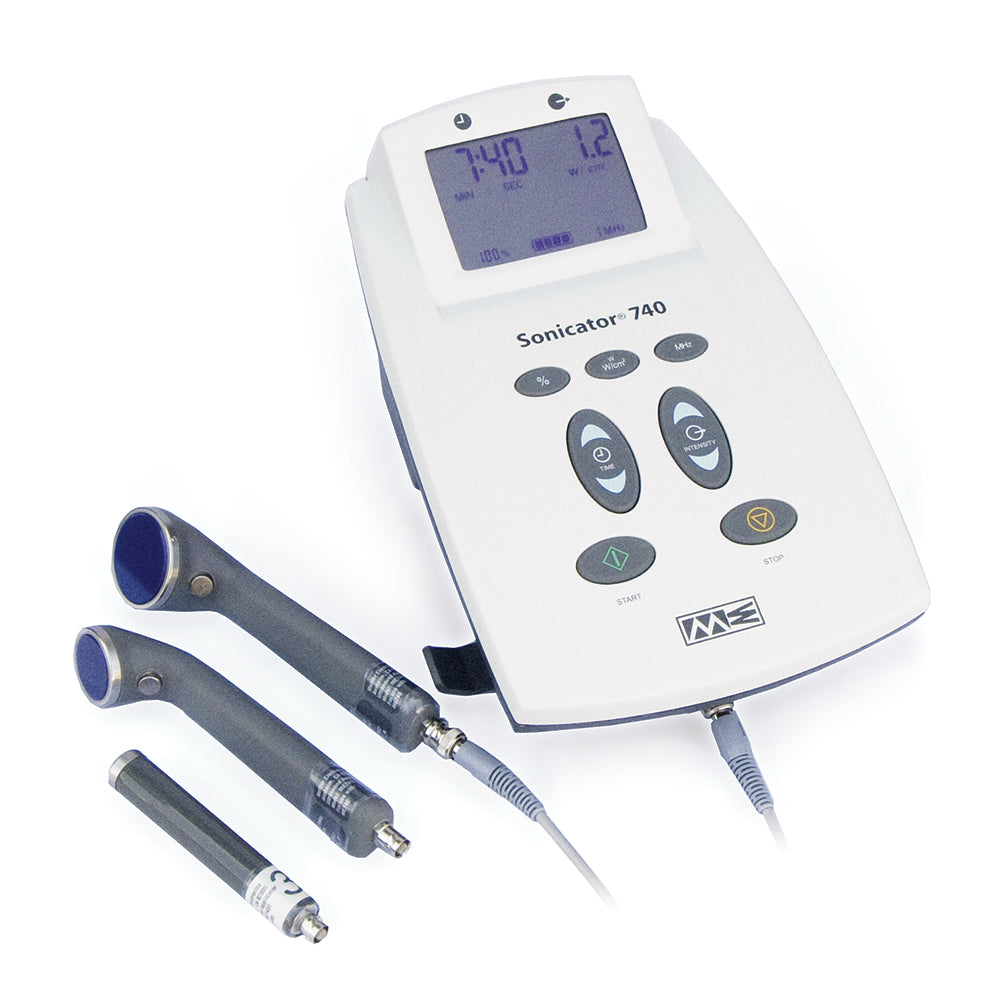
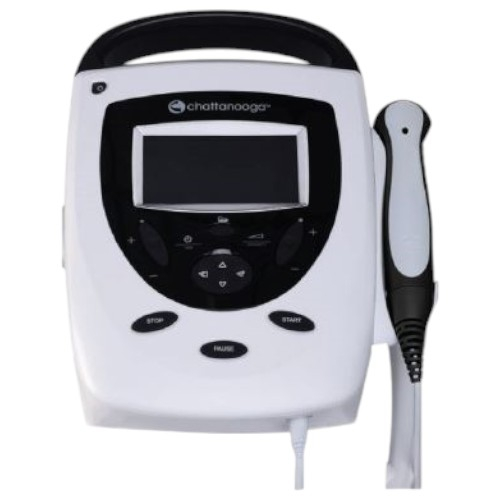
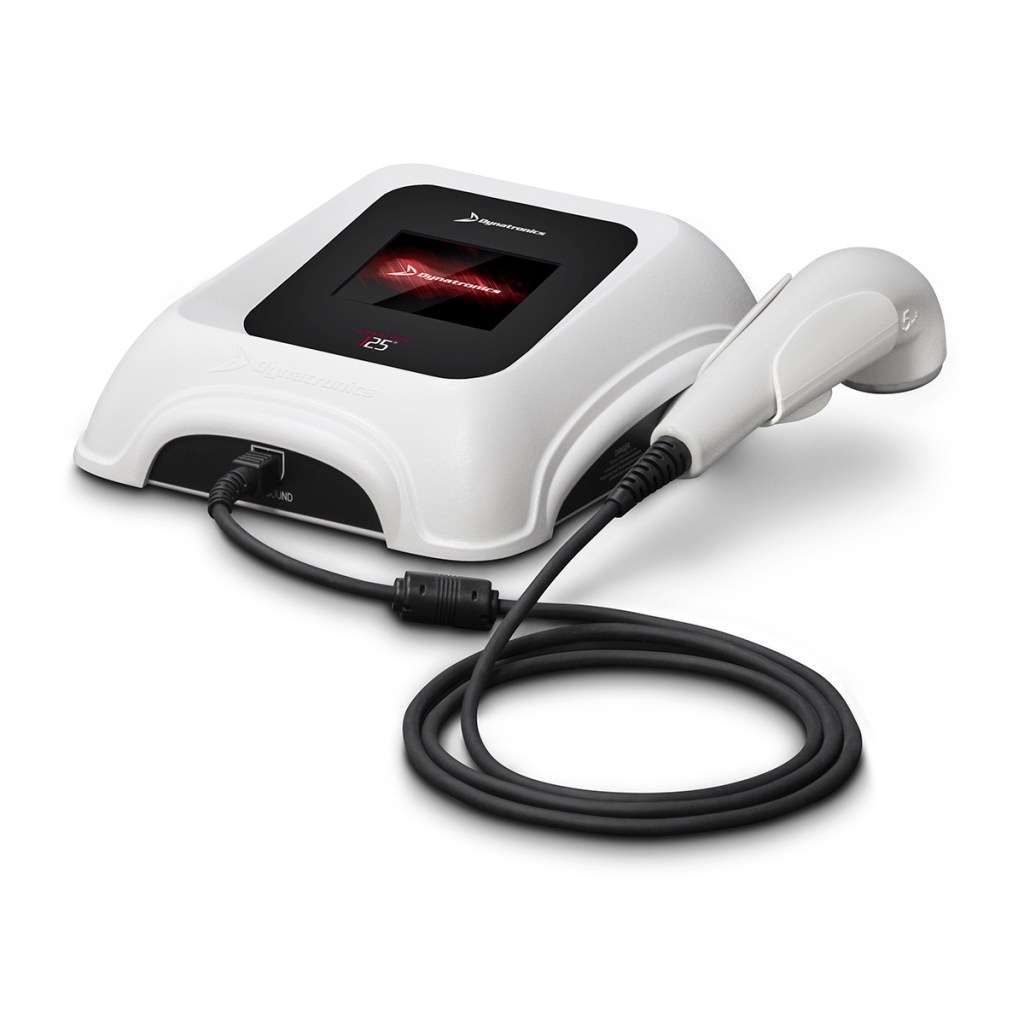
- Ultrasound Generator: This is the primary component that produces the sound waves. It converts electrical energy into acoustic energy and is often equipped with various settings to adjust the frequency and intensity of the ultrasound.
- Transducer (Sound Head): The transducer is the handheld device that the therapist holds against the skin. It is responsible for delivering the ultrasound waves to the targeted area. The choice of transducer size depends on the area being treated; smaller transducers are used for localized areas, while larger ones are suitable for broader regions.
- Ultrasound Gel: A coupling medium that is applied to the skin to ensure effective transmission of sound waves. The gel eliminates air pockets between the transducer and the skin, which helps maximize the efficiency of the ultrasound waves.
- Control Panel: Most ultrasound therapy devices come with a user-friendly control interface that allows therapists to set parameters such as frequency, intensity, and duration of the treatment.
Types of Ultrasound Therapy Equipment
- Continuous Wave Ultrasound: This type continuously emits ultrasound energy during treatment, leading to increased tissue temperature. It is often used for pain relief and to increase blood flow to the area.
- Pulsed Ultrasound: Pulsed ultrasound emits sound waves in a periodic manner rather than continuously. This method is preferable for promoting tissue healing without significantly raising tissue temperature.
- Combination Units: Some devices combine ultrasound with electrical stimulation or other therapies for a more comprehensive treatment approach. These multifunctional units enhance the effectiveness of treatment by addressing multiple issues.
Applications of Ultrasound Therapy
Ultrasound therapy is widely used to treat conditions such as:
- Soft tissue injuries
- Tendonitis
- Muscle strains
- Joint pain
- Scar tissue formation
- Inflammation
By promoting circulation and tissue repair, ultrasound therapy can significantly reduce recovery time and improve patient outcomes.
Conclusion
Ultrasound therapy equipment is a valuable tool in modern medical practice. By understanding how it works and its applications, therapists can utilize this technology to enhance patient healing and improve overall health outcomes. With advancements in technology, we can expect even more innovative treatments utilizing ultrasound in the future.
 ENUT Corp.